


What is warehousing?
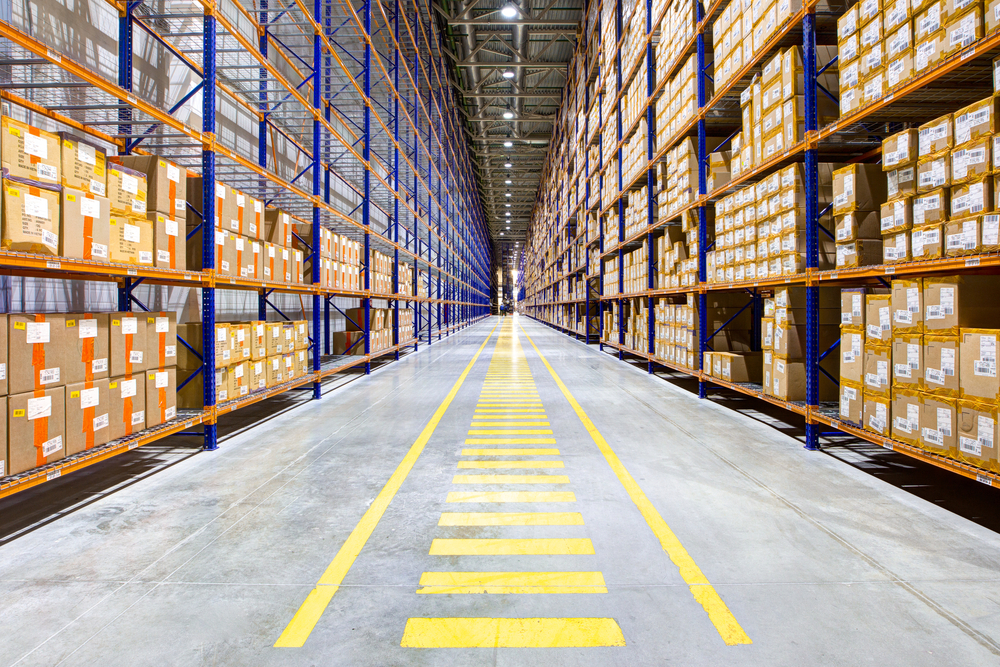
Warehousing is the process of storing goods that will be distributed later. A warehouse is defined as any location used to accumulate goods.
Why is warehousing important?
Warehousing is essential for businesses that import, export, transport, and manufacture products. Having a central location for your products allows you to maintain control over them and ensure that your customers receive their orders on time. Keeping everything organised in one place can also help you save money and increase productivity. Let’s see what warehousing can do for your inventory process.
Warehouse Fulfills your Orders Efficiently
Warehousing allows you to store, ship, and distribute goods from a single location. This allows you to track and manage your inventory more efficiently. It can also lower your transportation costs, increase your flexibility, and decrease your staffing requirements.
It Adds Value to your Operation
Warehousing enables timely delivery and distribution of your products, increasing labour productivity and customer satisfaction. Warehousing reduces errors, damage to your goods, and prevents them from being lost or stolen during the order fulfilment process, allowing you to deliver your goods on time and increasing your brand value in your customers’ perceptions.
It reduces the risk for your products.
Warehousing is an insured process, so if your products are damaged or stolen, you will be compensated to replenish your inventory. Storing goods in a temperature-controlled warehouse prevents spoilage and unwanted colour or texture changes.
What processes fall under warehousing?
The exact warehousing process is determined by the size of the warehouse operation, the type of warehouse and storage, company culture, product temperature, any applicable legislative requirements, and the volume of goods moving through the facility. However, all warehousing operations have five key processes in common. They are:
Chcek Our Warehouse for Lease in Mumbai
1. Receiving
2. Putaway
3. Picking
4. Packing
5. Shipping
Receiving
Receiving is one of the most critical processes in warehousing. It involves a lot of activity, and any disruption in this step can have ramifications throughout the entire operation. First, the goods received are compared to the supplier’s packing document. The goods are then thoroughly inspected for any damage. If there is any physical damage, a thorough examination of all goods in the shipment is conducted. Following inspection, the goods are transported to the putaway area.
Putaway
Putaway is the process of transporting goods from the receiving area to where they will be stored. This process entails determining the resource and space requirements for each item. Similar goods are typically stored together to make them easier to locate and distribute. Before confirming the completion of the putaway process, the operators ensure that the correct storage location has been found and place the goods in their assigned slot.
Picking
Picking is the process of collecting items according to a customer’s order before shipping them. Picking consumes a significant amount of resources and typically requires 60% or more of the warehouse’s workforce. This means that it has a significant impact on your supply chain productivity.
Packing
Packing is the process of combining all of the items in a sales order and preparing it for shipment. This process entails packing the items in an appropriate container, weighing the packed order, printing relevant labels, and choosing the best courier service to complete your delivery.
Shipping
Shipping is the process of sending orders to their respective customers. The shipped goods are packed early to prevent clutter in the staging areas, which can lead to late deliveries and confusion. The process is coordinated with carrier pick-up times.
Warehousing is a complex activity that requires each step to be handled efficiently in accordance with your organization’s standards. A good work-flow implementation for your warehousing process ensures a smooth logistical process that benefits your business.