


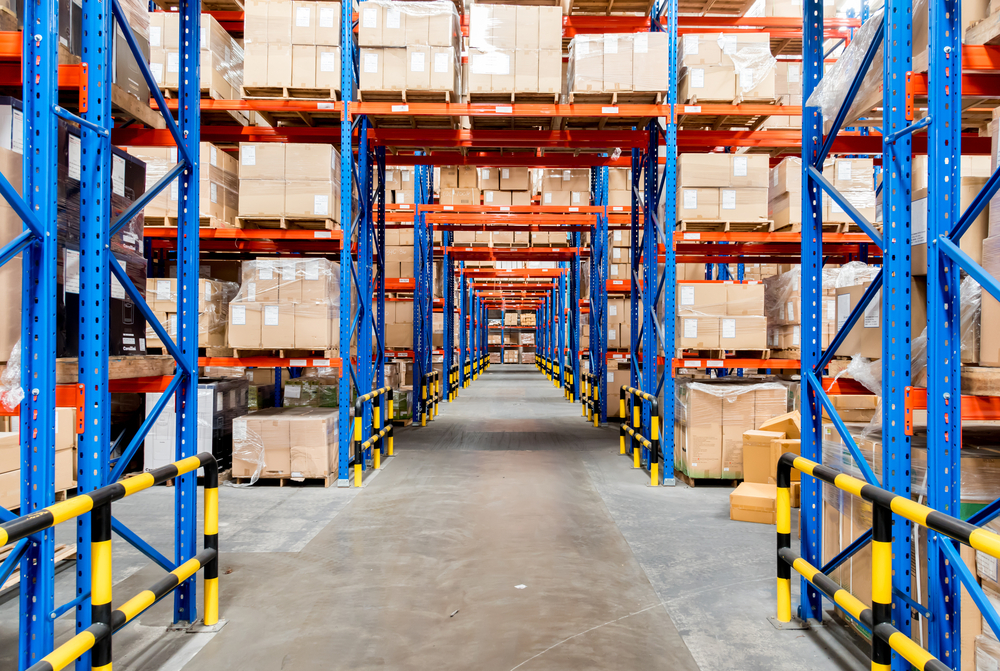
When deciding on a warehouse, many factors must be considered. Choosing the best location for your business is critical to its success.
What is your motivation for expansion, and how do you intend to achieve it?
Every company has its own reasons for expanding its business into new markets. Whether they want to increase business volume by offering more products, outfitting more customers, increasing brand value through favourable locations, or entering a new market, they are all motivated by the same goal: growth.
Depending on your goals and budget, you can buy or rent warehouses in the best locations for you. For example, if you are a small manufacturer, having your warehouse closer to the manufacturing plant increases production efficiency by ensuring a consistent supply of raw materials to the plant. If, on the other hand, you are a multichannel seller, acquiring a warehouse at a well-connected hub in a high-demand area will result in improved customer service and lower order fulfillment freight costs.
Warehouse Spaces for Lease in Mumbai
As you conduct your research and shop for locations, keep your expansion plans in mind, as the way you choose to expand can (and should) influence where you locate your warehouse.
What kind of goods and services do you intend to offer?
In addition to your expansion goals, the type of goods and services your company offers will have a direct impact on the location of your future warehouses. If, for example, your company deals in perishable or fragile goods, it is best to have a warehouse close to both the source of the goods and the market to reduce the risk of spoilage or damage. Goods that are potentially hazardous or corrosive, on the other hand, must be stored in more isolated areas to avoid any dangerous contact with them.
Taking a closer look at the sugarcane industry, we can see how the type of goods sold determines the best warehouse location, which, in turn, influences a business’s success. The amount of cane deterioration that occurs after harvest is largely determined by a number of factors, including the BHTCD (burn/harvest to crush delay, or the time interval between harvest and sugarcane processing), the current temperature and humidity, and pest and disease exposure. Both growers and millers would benefit greatly if cane could be processed immediately after harvest. For example, in South Africa, a three to four-day BHTCD is common. An increase in the BHTCD for growers who are further away from mills can cause increased cane deterioration, resulting in a poorer quality product, Thus, if you sell sugarcane, having your warehouse or mill closer to the farm ensures better quality control over your product and benefits your entire business.
The bottom line is that if you want to improve quality control as your company grows, you should consider your core products and/or services when selecting a warehouse location.
What regions are you looking to serve?
Before you start expanding your business to new locations, you must first understand your target audience so that you can determine how to best use your facility to serve that market. The goal is to identify suitable locations that will bring you closer to your existing and new customers, allowing you to reduce handling costs, freight costs, and order fulfilment times.
Consider the case of American Eagle Outfitters, a retail giant looking for a new warehouse facility to improve order fulfilment times and meet rising demand for their products. By studying their existing customer base, order profiles, and transportation and labour costs, they were able to conduct more thorough site assessments.
The majority of their customers, both online and in-store, were on the East Coast. This information eventually led them to acquire an omni channel facility in the east, bringing their business closer to their customers. They can now increase the efficiency of their delivery process by fulfilling more than 90% of direct orders within two to three days.
This example clearly demonstrates one thing: taking a step back to survey your existing customer base and learn more about your buyer concentration can be extremely beneficial when it comes to finding prime warehouse locations.
As a result, the best approach would be to understand your current market while also surveying new markets to learn more about where they are located, in order to acquire a warehouse in an area that is convenient for both your new and existing markets.
What are your labour needs, and what is the available labour capacity?
When it comes to your warehouse workforce, or the team of people you’ll need to run your facility, factors such as the number of skilled workers required, your workflows, and the amount of time the facility will be operational each day all influence which locations are best suited for your company’s storage needs.
One example of a criterion to consider is the development of your warehouse’s potential location–is it rural, suburban, or urban? Each of these stages of development can have a distinct impact on your ability to attract new employees to your company. A warehouse located near developed areas or trading hubs is more likely to attract prospective employees than a facility in the middle of nowhere. Also, as you scout for favourable locations, look around to see if there are any competitors near your soon-to-be acquired warehouse, as this can limit the availability of qualified manpower.
It’s also important to consider the warehouse’s proximity to a population center–the further your warehouse is from civilization, the more you’ll need to invest in ancillary facilities like distribution centres and additional amenities for your employees to support their ability to work productively. These benefits can range from as simple as providing snacks in the office to far more complex and costly incentives like home deposits, transportation to and from work and so on. Remember to consider these additional costs when selecting a warehouse location; otherwise, you may end up spending too much money on buildings and employee incentives that you cannot afford.
What are your options?
Now that you’ve determined your goal, customer base, and products to sell, it’s time to consider your options for setting up a warehouse.
You can do the following based on the factors listed above and your budget:
Purchase a private warehouse designed for the storage of your goods. These warehouses can be tailored to the specific commodities to be stored. Cold storage facilities, for example, are designed to store perishable items such as fruits, eggs, meals, vegetables, and so on.
Goods can be stored in a public warehouse for a nominal fee. The state has licenced these warehouses. The government controls and regulates their operating methods and charge rates. Furthermore, they are typically built at strategic locations along railway lines and major highways, allowing you to access convenient transport options.
Use the services of a bonded warehouse, which is licenced by the government to accept and store imported goods. They are supervised and controlled by the customs authorities in the country where they are located. Once customs duties are paid, the goods are released to the importer. These warehouses are extremely beneficial to retailers who import items from foreign countries because they are only required to pay duty on the quantity of goods removed from these facilities. They also provide useful services such as bottling, racking, and vetting liquid cargo, blending and labelling specific products such as tea, and so on.
Finally, selecting the best warehouse location requires more than just financial considerations; you must also find the best fit for your business. Do your research to ensure that your new warehouse becomes a valuable resource.
Make it clear what your goals are for the new warehouse. If you know what it’s for, you’ll have a better chance of finding the right location.
Make certain that the new location is ideal for the products and services you are offering or intend to offer. Your products have an impact on where people will work in your warehouse.
Investigate markets and potential customers, and consider where the best location for your warehouse would be to serve not only current markets but also the surrounding areas. Your warehouse location must have long-term value in all markets.
Choose locations where you have a better chance of attracting the most qualified employees for your company. Your warehouse will not run on its own; you must ensure that it is conveniently located for employees.
Finally, keep your eyes open to what’s going on around you. You may be surprised to learn that someone in the area owns a warehouse that can be rented and is ideal for your business needs. If building a brand new warehouse is not an option for you at this time, keep an eye out for warehouses that can be rented! Before you build your own facility, you can find a cost-effective way to rent one that is well-suited to your needs.
As long as you follow these guidelines and conduct thorough research, you’ll be able to find a warehouse location that best meets the needs of your expanding business.